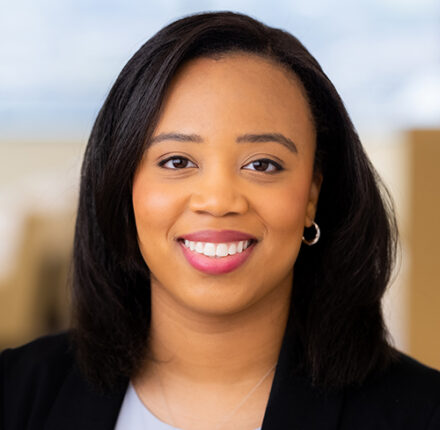
Mayor Cherelle L. Parker’s “One Philly, One Future” Budget Address
On Thursday, March 12, Mayor Cherelle L. Parker delivered her third annual budget address to the Philadelphia City Council, unveiling her $7 billion FY27 budget proposal. The proposed FY27-31 Five Year Plan outlines significant investments to advance economic mobility and self-sufficiency for Philadelphians, while continuing the administration’s focus on building a safer, cleaner, and greener city.
Her speech noted continued progress during the administration’s first two years in office, citing homicides and shootings at their lowest levels in more than 50 years. She highlighted major public safety and quality-of-life improvements, including the deployment of Quality-of-Life Assurance officers to every police district, body-worn cameras now issued to every officer, and significant progress on cleaning and greening initiatives across the city. She also emphasized the city’s strong fiscal health, including a projected $344 million in the Budget Stabilization Reserve Fund (Rainy Day Fund) by the end of the proposed Five-Year Plan. The city’s pension fund has also surpassed 67% funded status.
Mayor Parker’s proposed FY27 budget—“One Philly, One Future”—aims to build on the administration’s progress by focusing on economic mobility and introducing Philadelphia’s Economic “GPS” framework—Growth, Prosperity, and Security. Below are some of the highlights of the mayor’s budget proposal.
FY27 budget hearings in the Committee of the Whole are scheduled to begin on Tuesday, March 24 and will conclude in early May. Subsequent negotiations between lawmakers and the administration would finalize budget amendments, with preliminary approval expected in early June—ahead of Council’s last scheduled meeting on June 12 and the end of the current fiscal year.
Economic Mobility & Housing
Mayor Parker introduced her Economic Mobility Agenda, focused on reducing barriers to opportunity and expanding access to capital, workforce development, transportation, and housing affordability. She emphasized that housing is a gateway to economic mobility and highlighted the continued implementation of the Housing Opportunities Made Easy (HOME) Initiative, the largest housing investment in Philadelphia’s history. The proposed budget includes:
- $2 billion investment in building, restoring, and repairing 30,000 housing units through the HOME Initiative.
- Debt service for two $400 million borrowings under the HOME initiative, with the first borrowing expected to go to market shortly.
- $50 million to completely renovate an affordable apartment building for senior citizens in partnership with the Philadelphia Building Trades and the Philadelphia Housing Authority.
- $10 million to support the development of modular housing factories to expand housing supply, while creating family-sustaining union jobs.
Workforce
The proposed FY27-31 plan increases funds set aside for collective bargaining agreements with municipal unions from $550 million to $615 million, the largest labor reserve in city history.
Additional workforce updates include:
- More than 2,000 net new municipal jobs added since January 2024.
Workforce Development & Education
Mayor Parker emphasized that investments in education and workforce development are critical to expanding economic mobility for both youth and adult learners. The proposed budget includes more than $30 million in new operating investments for workforce and education initiatives, including:
- $10 million to support workforce development training.
- 100 new seats added to the PHLpreK program, bringing the total to 5,350 seats
- $1.9 million to expand Extended Day/Extended Year programming to 47 schools in FY27, including 35 District-operated schools and 12 charter schools.
- $7 million to establish a City College for Municipal Employment Fellows Program, helping recent graduates transition into municipal employment.
- $850,000 to create a Student Loan Help Center to assist more than 231,000 Philadelphians with student loan debt.
Career Connected Learning Expansion
Mayor Parker also emphasized expanding career-connected learning opportunities for young Philadelphians, with a focus on increasing access to paid work experience and workforce pathways for students. The proposed budget includes:
- $14.7 million investment to expand Career Connected Learning programming.
- 1,000 additional summer jobs for Philadelphia youth.
- Expansion of the program to 9,000 total summer job positions
School District Funding
Mayor Parker reaffirmed her commitment to ensuring adequate funding for the School District of Philadelphia, noting that the administration is halfway toward its goal of increasing the school millage share from 55 percent to 58 percent, representing $131 million in additional funding for schools.
New revenue proposals that would directly support the School District include:
- Transportation Network Company Tax: 20-cent tax per rideshare trip originating in Philadelphia ($9.6M annually)
- Use & Occupancy Tax modification: revised calculation for telecom equipment ($2.4M annually)
Together, these measures would generate approximately $12 million annually for the School District.
Small Business & Local Economy
Mayor Parker detailed several initiatives that would support small and local businesses and strengthen Philadelphia’s industrial economy. The proposed budget includes:
- $3.3 million in FY27 to support a new program emphasizing small and local businesses in city contracting.
- Closing a tax loophole requiring remote sellers outside Philadelphia to collect the city’s 2 percent local sales tax, generating an estimated $1.5 million annually.
- The mayor also highlighted major private-sector investments in Philadelphia’s industrial economy, including:
- $5 billion planned infrastructure investment by Hanwha Philly Shipyard.
- $100 million investment by Rhoads Industries, expanding work with the U.S. Navy and potentially doubling its workforce to 1,000 employees.
Public Safety
Mayor Parker emphasized continued public safety investments through the administration’s P.I.E. Strategy (Prevention, Intervention, and Enforcement). The proposed budget includes:
- $25 million in community-based anti-violence grants.
- Continued deployment of Quality-of-Life Assurance officers to every police district.
- Body-worn cameras issued to every officer in every patrol district.
Transportation
The proposed budget includes almost $900 million investment over five years for the Southeastern Pennsylvania Transportation Authority (SEPTA) to support transit access and affordability. Key initiatives include:
- $25 million to continue the Zero Fare program, providing free SEPTA passes for low-income residents.
- $10 million to cover transit fares for city employees through the Key Advantage program.
Clean & Green Initiatives
Mayor Parker emphasized that investments in cleaning and greening initiatives improve quality of life for residents. The proposed budget includes:
- $179 million in capital investments in parks and recreation.
- 94,000 clean and green actions completed last year.
- Continued focus on the 3,600+ trees and shrubs planted across the city.
- $11.5 million for the Gateways to Philadelphia Initiative, transforming I-76 with new landscaping and plantings.
- $3 million in public-private partnerships to help transform Lemon Hill.
- $3.5 million in judgments secured against illegal dumpers through the One Philly Illegal Dumping Task Force.
Quality of Life & Infrastructure
Mayor Parker proposed several initiatives that would improve city infrastructure and neighborhood quality of life. The proposed budget includes:
- $7.1 million to launch the “One Philly Pothole Squad,” with dedicated maintenance teams in each of the city’s six highway districts.
- A proposed Retail Delivery Tax of 25 cents per order on certain goods delivered in Philadelphia beginning July 1, 2027, expected to generate $15 million annually for road repairs.
- $30 million in capital funding for Vision Zero traffic safety initiatives.
Homelessness & Wellness
Mayor Parker announced that the city has identified the capacity needed to meet the first goal of the One Philly Plan to End Street Homelessness, which calls for 1,000 new shelter beds, including the Hope 220 Homeless Service Center. The proposed budget includes:
- $22 million in FY27 and $110 million over five years to support homelessness prevention and services.
- A proposed two percent increase in the hotel tax beginning in August, expected to generate $20 million annually for homelessness programs.
- $211 million in opioid settlement funds over five years to support the city’s wellness ecosystem, including continued operations at Riverview Wellness Village.
Cultural Investments & 2026 Preparedness
Mayor Parker emphasized preparations for several major global events in 2026 to ensure Philadelphia is ready to welcome visitors from around the world. The proposed budget includes:
- $33 million for HVAC upgrades at city libraries.
- Continued investment to support the relocation of the African American Museum in Philadelphia.
- $500,000 annual operating support and $1 million in capital funding for the Dell Music Center.
- Implementation of Philadelphia’s first Cultural Master Plan.
- New statues honoring boxing legend Joe Frazier and civil rights pioneer Sadie Tanner Mossell Alexander.
These investments build on more than $120 million spent through FY26 to prepare the city for major global events.
Revenue Proposals
Mayor Parker emphasized that new revenue sources will help fund major investments. Proposed revenue sources include:
- Transportation Network Company Tax: 20 cents per rideshare trip originating in Philadelphia ($9.6 million annually for schools). This item requires state authorization.
- Use & Occupancy Tax modification: additional telecommunications equipment. This modifies the tax calculation for telecommunications equipment (e.g., cell towers on leased rooftop space). The change ensures business activity is taxed at the standard Use & Occupancy Tax rate, which is 21% of the assessed value of the occupied space. ($2.4 million annually for schools) This item can be enacted by the City without state approval.
- Remote Seller Sales Tax: Requiring online retailers outside Philadelphia to collect the City’s 2 percent local sales tax at the time of purchase and remit it to the City, leveling the playing field with local businesses that already collect the full 8 percent (6% state + 2% city). ($1.5 million annually). This item likely requires state authorization.
- Retail Delivery Tax: 25 cents per order on certain delivered goods beginning July 1, 2027. The tax is charged to retailers, who are responsible for collecting and remitting it to the City. Essential items like food, baby products, medications, and medical devices are excluded. Companies with fewer than 1,000 transactions per year in the city would be exempt ($15 million annually for road improvements). This item can be enacted by the City without state approval.
- Hotel Tax Increase: Two percent increase beginning in August, raising the hotel tax rate from 15.5% to 17.5% ($20 million annually for homelessness programs). This item requires state authorization.
- Wage Tax: The proposed budget makes no changes to the Wage Tax rate.
- Business Income & Receipts Tax (BIRT): The proposed budget makes no changes to the BIRT rate.